
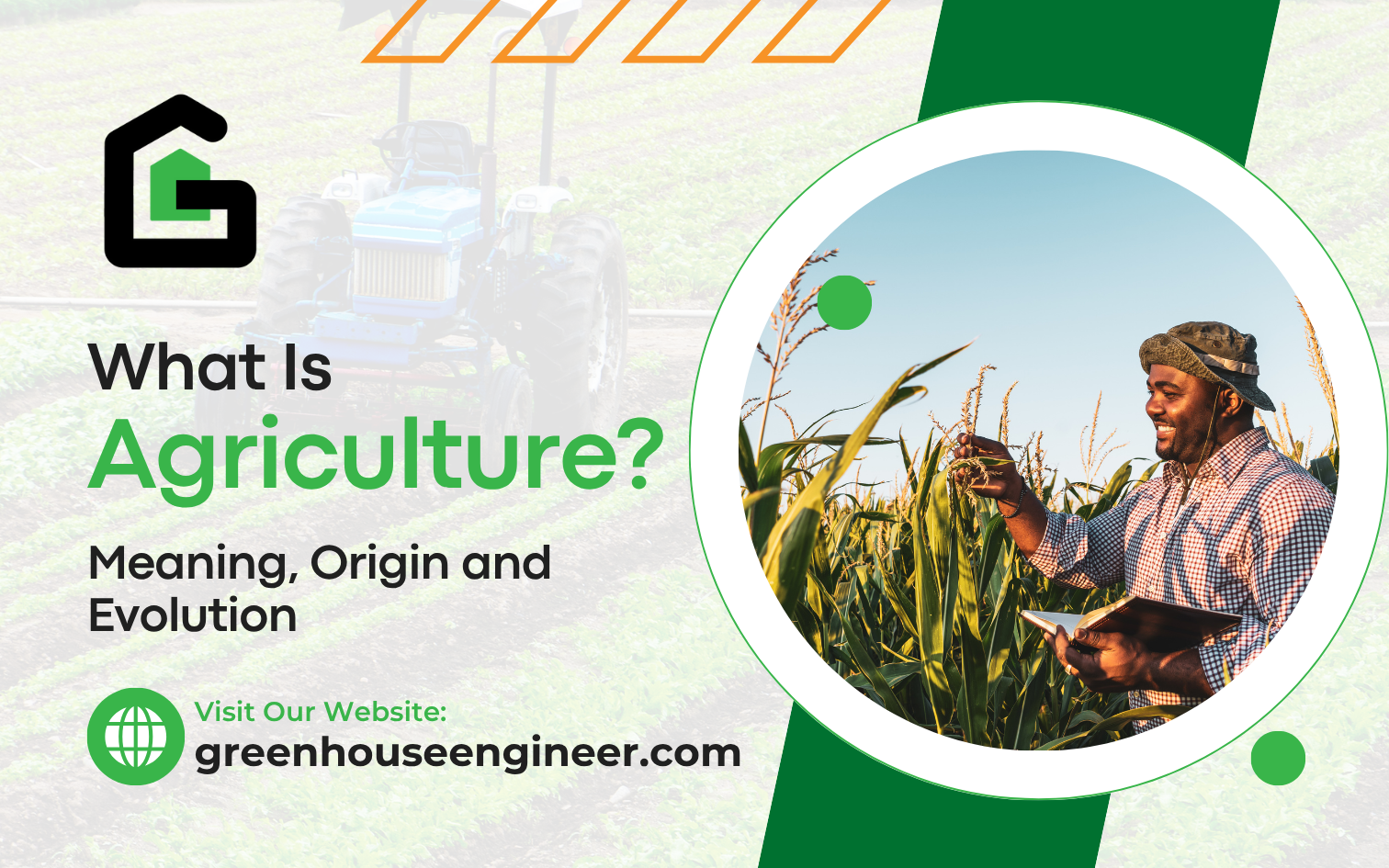
Agriculture is the foundation of civilization. It is more than just the practice of growing crops or raising animals — it is the art, science, and business of cultivating the land, producing food, fiber, and other essential resources that sustain life.
🌾 Meaning of Agriculture
The word “agriculture” is derived from two Latin terms:
- “Ager” meaning field or land
- “Cultura” meaning cultivation
So, agriculture literally means “cultivation of the land.” But its scope has expanded far beyond fields and soil. Today, it includes:
- Crop production
- Animal husbandry
- Horticulture
- Fisheries
- Forestry
- Agricultural biotechnology
- Sustainable farming practices
📜 Origin and Evolution of the Word
The term agriculture has been used since ancient times, but it became widely recognized during the Roman civilization, where organized farming practices began to flourish. Over the centuries, the meaning evolved along with techniques and tools — from hand plows to AI-based precision farming.
In ancient times, agriculture was mainly subsistence-based — families grew what they needed. But as societies evolved, agriculture became commercial, scientific, and industrial.
🌍 Importance of Agriculture
Agriculture is not just about food. It:
- Supports economies (especially in rural areas)
- Provides raw materials for industries (like cotton for textiles)
- Maintains food security
- Contributes to employment
- Plays a key role in environmental sustainability
🌱 Conclusion
Agriculture is deeply rooted in human history and continues to grow with technology and innovation. Understanding its meaning and origin helps us value the crucial role it plays in shaping human civilization and sustaining life on Earth.
Subscribe To Get Update Latest Blog Post

Leave Your Comment: