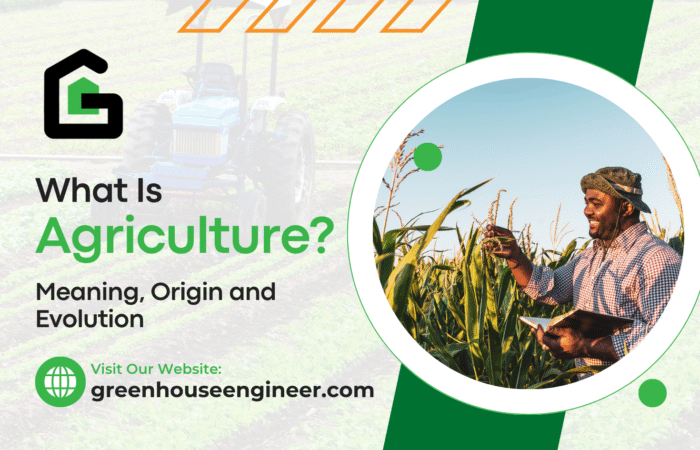
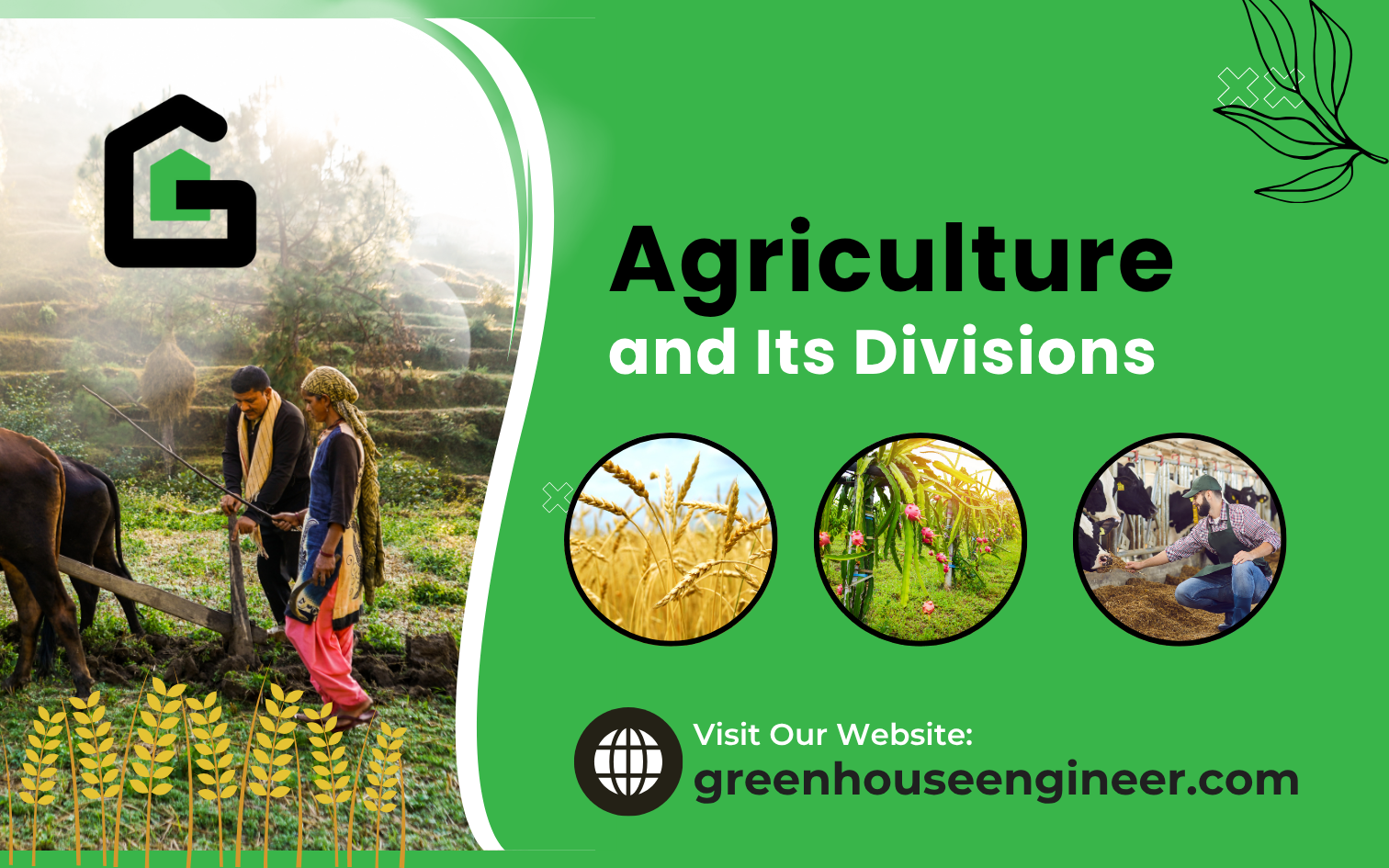
Agriculture is one of the most essential pillars of human civilization. It is the science and practice of cultivating land, growing crops, and raising animals to produce food, fiber, and other goods that support human life. From the rice on our plates to the cotton in our clothes, agriculture touches nearly every part of our daily routine.
Over time, agriculture has evolved from traditional methods to a more advanced, technology-driven sector. Today, it not only involves farming but also includes multiple specialized areas that focus on improving productivity, sustainability, and quality. Understanding these divisions helps us appreciate how agriculture supports economies, feeds populations, and preserves natural resources.
Let’s explore the major divisions of agriculture in detail.
Agronomy
Agronomy is the branch of agriculture that deals with field crop production and soil management. It focuses on growing crops like wheat, rice, maize, millet, pulses, and oilseeds. Agronomists work to improve crop yield, manage weeds, maintain soil fertility, and study irrigation and fertilization methods. This field plays a key role in ensuring food security and efficient land use.
Horticulture
Horticulture is the science of growing fruits, vegetables, flowers, and ornamental plants. It is often practiced in gardens, nurseries, and greenhouses. Horticulture is further divided into:
- Pomology – the study of fruit cultivation
- Olericulture – the science of vegetable farming
- Floriculture – the cultivation of flowering and ornamental plants
- Landscaping – designing outdoor spaces for beauty and function
This division enhances the quality of food and adds aesthetic and economic value to agriculture.
Animal Husbandry
Animal husbandry focuses on the care and management of livestock such as cows, goats, sheep, poultry, and pigs. It includes breeding, feeding, healthcare, and housing of animals for the production of milk, meat, eggs, wool, and other animal products. This branch is vital for both nutritional needs and the income of farmers and rural families.
Agricultural Engineering
Agricultural engineering applies engineering principles to farming. It covers the development and use of tools, machinery, irrigation systems, storage units, and farm structures. Engineers in this field work to make farming easier, faster, and more efficient. It also includes innovations like precision farming, solar-powered equipment, and automated systems.
Agricultural Economics
Agricultural economics examines the financial and market aspects of agriculture. It includes the study of crop pricing, agricultural policies, farm management, supply chain, rural finance, and market trends. This field helps farmers and agribusinesses make informed decisions for profitable and sustainable operations.
Forestry
Forestry is the science of managing and conserving forests. It involves planting, protecting, and harvesting trees for timber, fuel, and other products. Forestry also contributes to biodiversity conservation, climate regulation, and environmental protection. It is essential for balancing agricultural activities with ecological sustainability.
Fishery Science
Fishery science focuses on breeding, managing, and harvesting aquatic species. It includes both inland (freshwater) and marine (saltwater) fishing activities. Fish farming or aquaculture is a growing field that supplies protein-rich food and supports rural livelihoods. This division also works to maintain aquatic ecosystems.
Agricultural Extension
Agricultural extension involves spreading agricultural knowledge and new technologies to farmers. It bridges the gap between research institutions and rural communities through training programs, field demonstrations, and advisory services. Extension services help farmers adopt better practices, improve productivity, and stay updated with modern trends.
Tags:
- agriculturaleducation,
- agriculturalsectors,
- agriculture,
- agriculturebasics,
- agritech,
- agronomy,
- animalhusbandry,
- cropcultivation,
- farming,
- foodproduction,
- greenrevolution,
- livestockfarming,
- modernfarming,
- organicfarming,
- plantproduction,
- precisionagriculture,
- ruraldevelopment,
- smartfarming,
- sustainablefarming
Subscribe To Get Update Latest Blog Post